October 16, 2026
Why Third-Party Tested Wellness Gummies Are Worth the Hype
By @thirdpartytestedinsight
Walking through the supplement aisle can feel like decoding a foreign language. Every jar promises purity, potency, and results, but few back those claims with real proof. After years of trying different brands and noticing inconsistent effects, I started paying closer attention to what actually goes into these products. That is when I learned the value of third-party tested wellness gummies. They are not just a marketing gimmick. They are a signal that someone outside the company has verified what is inside the bottle.
For anyone dealing with intimate health concerns, sleep disruptions, or menopause symptoms, the stakes feel higher. You are not just looking for a general multivitamin. You want something that addresses specific hormonal and physiological shifts without introducing synthetic hormones or questionable fillers. That is why non-hormonal supplements with a clean label have become so popular. But even within that category, quality varies wildly. Third-party testing helps separate the well-made products from the rest.
What Third-Party Testing Actually Means
When a company says its gummies are third-party tested, it means an independent laboratory has evaluated the product for things like ingredient identity, potency, and purity. This is not the same as in-house quality checks, which can be biased or inconsistent. Organizations like NSF International and USP verification set rigorous standards. If a supplement carries their seal, it has passed tests for contaminants, accurate labeling, and good manufacturing practices.
GMP certification is another layer. It confirms that the facility follows strict protocols for cleanliness, documentation, and quality control. But GMP alone does not guarantee that every batch is tested. That is where third-party testing becomes essential. It provides an extra set of eyes, and for consumers, it offers peace of mind.
I have seen brands advertise "lab tested" without naming the lab. That phrase is almost meaningless. Any company can test its own product and call it lab tested. When you see a specific certification like NSF or USP, you know an accredited body was involved. That distinction matters more than most people realize.

Why Gummies Are a Popular Delivery Form
Gummies have become a favorite way to take supplements, especially for women who struggle with swallowing pills or simply prefer a more pleasant experience. But not all gummies are created equal. Many are packed with sugar, artificial colors, and gelatin. Vegan gummies offer a plant-based alternative that appeals to those avoiding animal products. However, the gummy format also presents challenges for manufacturers. Heat and moisture can degrade sensitive ingredients like probiotics or botanical extracts. That is why quality assurance in gummy production requires careful formulation and testing.
When I first tried melatonin-free sleep support gummies, I was skeptical. Most sleep aids rely on melatonin, which can cause grogginess or interact with other medications. A melatonin-free option that uses botanicals like chamomile or lemon balm felt gentler. But I wanted proof that the ingredients were present in effective amounts. That is when I started checking for third-party tested wellness gummies. The difference in how I felt was noticeable. I woke up more refreshed and less foggy.
The Role of Third-Party Testing in Women's Wellness
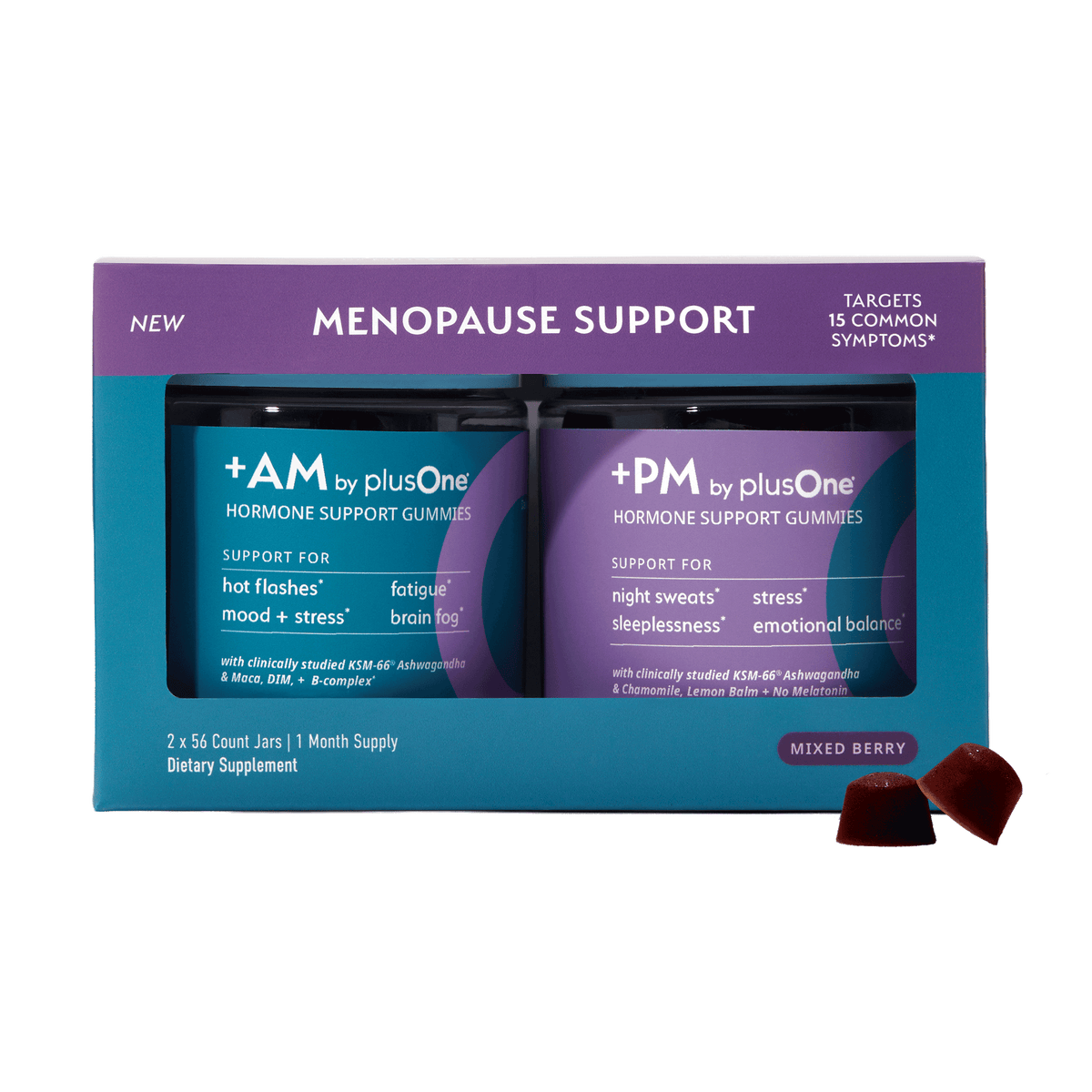
Women's wellness is not a monolith. Needs shift across life stages, from reproductive years through perimenopause and beyond. Intimate health products often address pH balance, moisture, or urinary comfort. Menopause relief supplements might target hot flashes, mood swings, or bone health. Sleep support is another common concern, especially when hormonal changes disrupt natural rhythms.
Non-hormonal supplements appeal to women who want to avoid synthetic hormones for personal or medical reasons. But without third-party testing, you cannot be sure that the product contains what the label claims. Clinical research supports the efficacy of certain micronutrients and botanical extracts for these conditions, but only if the dosages are accurate. A supplement that falls short of its label claims is essentially a waste of money. One that exceeds safe levels can be harmful.
I remember reading a study that found nearly a quarter of tested supplements did not contain the advertised ingredients. Some had fillers, others had different herbs entirely. That is alarming when you are relying on a product for intimate health or sleep support. Third-party testing reduces that risk significantly. It does not guarantee perfection, but it raises the bar.
What to Look for on the Label
When you pick up a bottle of wellness gummies, here are a few things to check before buying:
- Look for a seal from NSF International, USP verification, or another accredited third-party lab.
- Check for GMP certification on the manufacturer's website.
- Read the ingredient list. Allergy-free formula and gluten-free labels are helpful, but they do not replace third-party testing.
- See if the brand states that every batch is tested, not just a single sample.
- Research the company's reputation. Brands like MyPlusOne that emphasize transparency often share testing results publicly.
These steps take only a few minutes but can save you from wasting money on ineffective products. I have started following this routine myself, and it has made me a more confident shopper.
Balancing Cost and Quality
Third-party testing adds expense for manufacturers. Those costs often pass to consumers. But when I compare the price of a certified product to a generic one, I consider what I am getting. A cheaper gummy might use lower-grade ingredients, skip testing, or cut corners on formulation. In the long run, that is not a bargain if it does not work or causes side effects.
That said, not every expensive supplement is well-made. Some brands charge a premium for packaging or marketing without investing in quality assurance. The key is to look for evidence of testing, not just a high price tag. I have found that mid-range brands with clear testing protocols often offer the best value. They are not trying to be luxury items. They are focused on delivering reliable, effective products.
One thing I appreciate about the shift toward third-party tested wellness gummies is that it pushes the whole industry toward higher standards. When consumers demand proof, manufacturers have to adapt. That benefits everyone, not just the people who can afford premium products.
Practical Considerations for Daily Use
If you are new to wellness gummies, start by reading the serving size and dosage instructions. Some gummies contain multiple servings per day, which can catch people off guard. Also, pay attention to storage. Gummies can melt or stick together in heat, so keep them in a cool, dry place.
For women managing menopause relief or intimate health, consistency matters. Taking gummies sporadically will not produce the same results as daily use. Set a routine, such as taking them with breakfast or before bed. If you are using sleep support gummies, give them a few weeks before judging their effectiveness. Botanical extracts often work gradually.
I also recommend rotating products occasionally. The body can adapt to certain ingredients over time, reducing their impact. A few weeks on a probiotic-focused gummy followed by a switch to a different blend can keep things balanced. Just make sure each product you try meets the same quality standards.
The Future of Gummy Supplements
As more women seek non-hormonal options for intimate health and menopause relief, the demand for trustworthy products will only grow. Third-party testing is becoming a baseline expectation rather than a differentiator. Brands that skip this step risk losing credibility. Those that embrace it build trust.
I think we will also see more innovation in delivery forms. Gummies are convenient, but they are not ideal for every ingredient. Some compounds are sensitive to heat or sugar. Advances in encapsulation and stability might lead to better absorption without sacrificing taste or texture. Until then, the best approach is to choose products backed by solid quality assurance.
For now, if you are shopping for sleep support, intimate health, or menopause relief, prioritize third-party tested wellness gummies. They represent a commitment to transparency and efficacy that every consumer deserves.
❧